Cranial Facial Release for Deviated Septum: What Patients Should Know
Have you ever struggled to breathe comfortably through your nose, especially when lying down or trying to sleep? Perhaps one nostril always feels more congested than the other. Or maybe you've been diagnosed with a deviated septum and are looking for ways to improve your breathing without immediately considering surgery.
A deviated septum can be frustrating. It may affect how comfortably you breathe, interfere with your sleep, and make everyday activities more difficult.
While traditional medical treatment may involve medication or surgery, some patients also explore complementary approaches to support their overall nasal and craniofacial health. One technique that has gained attention in chiropractic and wellness settings is Cranial Facial Release (CFR).
But can Cranial Facial Release help with a deviated septum? How does the procedure work, and what should you know before considering it?
Let's take a closer look.
What Is a Deviated Septum?
The nasal septum is the thin wall made of cartilage and bone that separates the two sides of your nasal cavity. Ideally, it sits near the center of your nose, allowing air to flow through both nasal passages.
However, when this structure is crooked or displaced toward one side, it is called a deviated septum.
Some people are born with this condition, while others develop it following an injury or trauma to the nose.
A mild deviation may not cause noticeable problems. However, a more significant deviation can narrow one or both nasal passages and make breathing uncomfortable.
Common Symptoms of a Deviated Septum
Depending on its severity, a deviated septum may contribute to:
- Difficulty breathing through one or both nostrils
- Persistent nasal congestion
- Frequent nosebleeds
- Noisy breathing or snoring
- Difficulty breathing comfortably during physical activities
- Recurrent sinus problems in some individuals
- Disrupted sleep due to nasal obstruction
Not everyone with nasal congestion has a deviated septum. Allergies, inflammation, enlarged nasal tissues, and other conditions can produce similar symptoms.
That's why getting an appropriate examination and diagnosis is important before choosing a treatment.
What Is Cranial Facial Release (CFR)?
Cranial Facial Release, also known as CFR, is a specialized technique performed by chiropractors who have received specific training in the procedure.
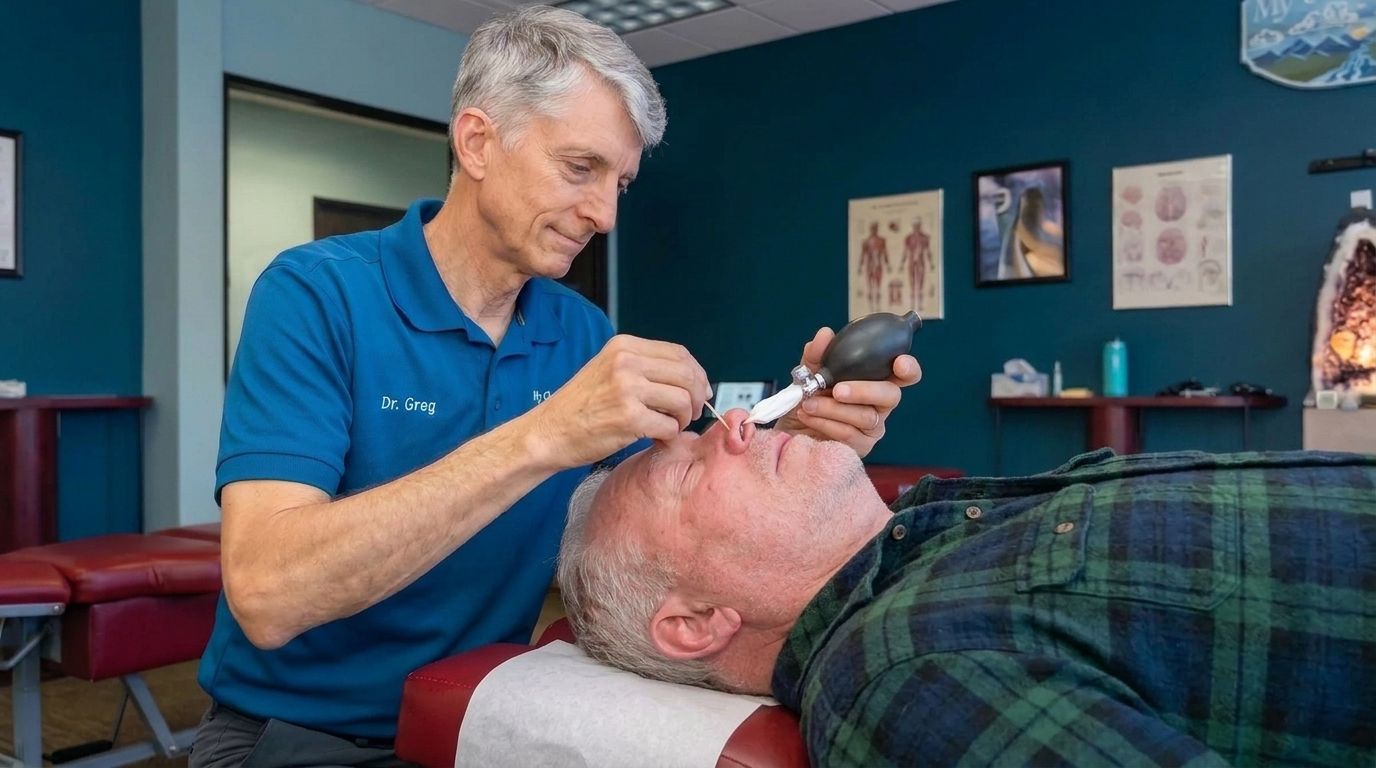
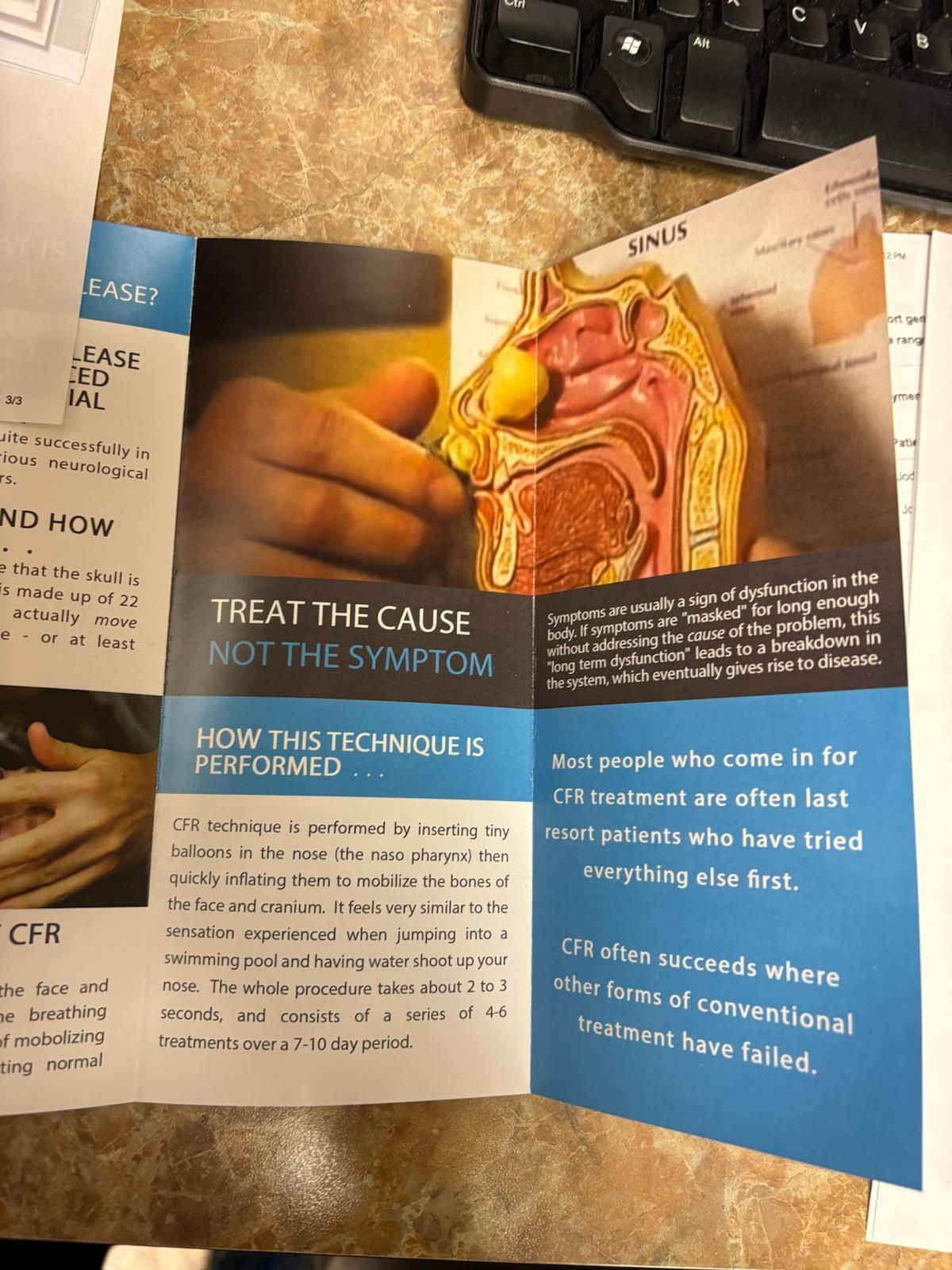
It involves using a small inflatable balloon inserted into the nasal passages. The balloon is briefly inflated and deflated to apply a mechanical stimulus to the nasal and craniofacial structures.
Practitioners who offer CFR use the technique as part of an approach to craniofacial care. The procedure is sometimes described as an endonasal cranial adjusting technique.
Unlike traditional chiropractic adjustments that primarily involve the spine and joints, CFR focuses on structures accessed through the nasal passages.
Some people explore this technique because they are interested in nasal breathing, sinus-related concerns, or other craniofacial symptoms.
However, it's important to understand that scientific research specifically evaluating CFR is limited. Its proposed benefits should not be confused with established medical treatments for structural nasal conditions.

Can Cranial Facial Release Help With a Deviated Septum?
This is one of the most important questions patients ask when researching CFR.
The honest answer is that there is currently insufficient clinical evidence to establish Cranial Facial Release as a treatment that corrects a deviated septum.
A deviated septum involves a structural displacement of cartilage and bone. According to the Mayo Clinic, surgery called septoplasty is the procedure used to straighten a deviated septum.
CFR has a different approach. It is a specialized chiropractic technique involving mechanical stimulation through the nasal passages. It is not a surgical procedure and should not be presented as a way to physically straighten displaced nasal cartilage or bone.
So why might someone with a deviated septum still be interested in CFR?
Some patients explore the technique as a complementary option when seeking additional approaches to their nasal and craniofacial concerns.
For example, they may be interested in discussing:
- Persistent nasal breathing difficulties
- A feeling of nasal congestion or restricted airflow
- Sinus-related discomfort
- Other craniofacial symptoms
However, whether CFR has meaningful benefits for these concerns has not been established through robust clinical research.
It is important to distinguish between a patient's personal experience and scientifically demonstrated treatment effectiveness.
CFR vs. Septoplasty: Understanding the Difference
If you've been diagnosed with a deviated septum, you may have already heard about septoplasty.
Septoplasty is a surgical procedure designed to correct the position of the nasal septum. During the procedure, a surgeon repositions or reshapes the cartilage and bone to improve the space available for airflow.
CFR, on the other hand, is a non-surgical chiropractic technique that uses a small inflatable balloon to apply mechanical stimulation through the nasal passages.
Here is a closer look at their differences:
| Feature | Cranial Facial Release | Septoplasty |
|---|---|---|
| Type of procedure | Non-surgical chiropractic technique | Surgical procedure |
| Primary approach | Nasal balloon technique | Surgical correction of the septum |
| Purpose | Complementary craniofacial care | Correcting a deviated septum |
| Provider | Specifically trained practitioner | Qualified surgeon, commonly an ENT specialist |
| Evidence for correcting a deviated septum | Not established | Established surgical treatment |
These procedures should not be considered interchangeable.
If a deviated septum significantly interferes with your breathing, an ear, nose, and throat (ENT) specialist can help determine whether septoplasty or another medical treatment is appropriate.
CFR should never be considered a substitute for necessary medical evaluation or treatment.
What Should You Expect During a Cranial Facial Release Session?
If you're considering CFR, understanding the procedure beforehand can help you make a more informed decision.
The first step should be an appropriate consultation.
A qualified practitioner should review your medical history, current symptoms, previous nasal or facial surgeries, medications, and any relevant health concerns.
You should also have an opportunity to discuss the procedure, its limitations, potential risks, and what you can realistically expect.
If the practitioner determines that CFR may be appropriate, the procedure involves inserting a small inflatable balloon into the nasal passage and briefly inflating it before deflating and removing it.
The procedure is specialized and should only be performed by an appropriately trained practitioner who understands the relevant anatomy, precautions, and contraindications.
Some patients may experience temporary discomfort, congestion, or minor nasal bleeding. More significant complications are also possible, which is why proper patient screening and informed consent are essential.
Do not assume that CFR is appropriate simply because you have a deviated septum.
Is Cranial Facial Release Safe for People With a Deviated Septum?
Safety should always be a priority when considering any procedure involving the nasal passages.
Having a deviated septum does not automatically mean that you are a suitable candidate for CFR.
Your individual anatomy, medical history, current symptoms, and other health conditions must be considered.
For example, a history of nasal surgery, certain bleeding disorders, use of blood-thinning medication, and active nasal infections may require additional evaluation or make the procedure inappropriate.
If you have persistent nasal obstruction, frequent nosebleeds, severe sinus symptoms, or difficulty breathing, consult an ENT specialist before pursuing an alternative procedure.
A responsible practitioner should be willing to explain the limitations of CFR and refer you for additional medical evaluation when necessary.
Considering Cranial Facial Release in Phoenix, AZ?
If you're experiencing nasal breathing difficulties or have questions about Cranial Facial Release, getting the right information is an important first step.
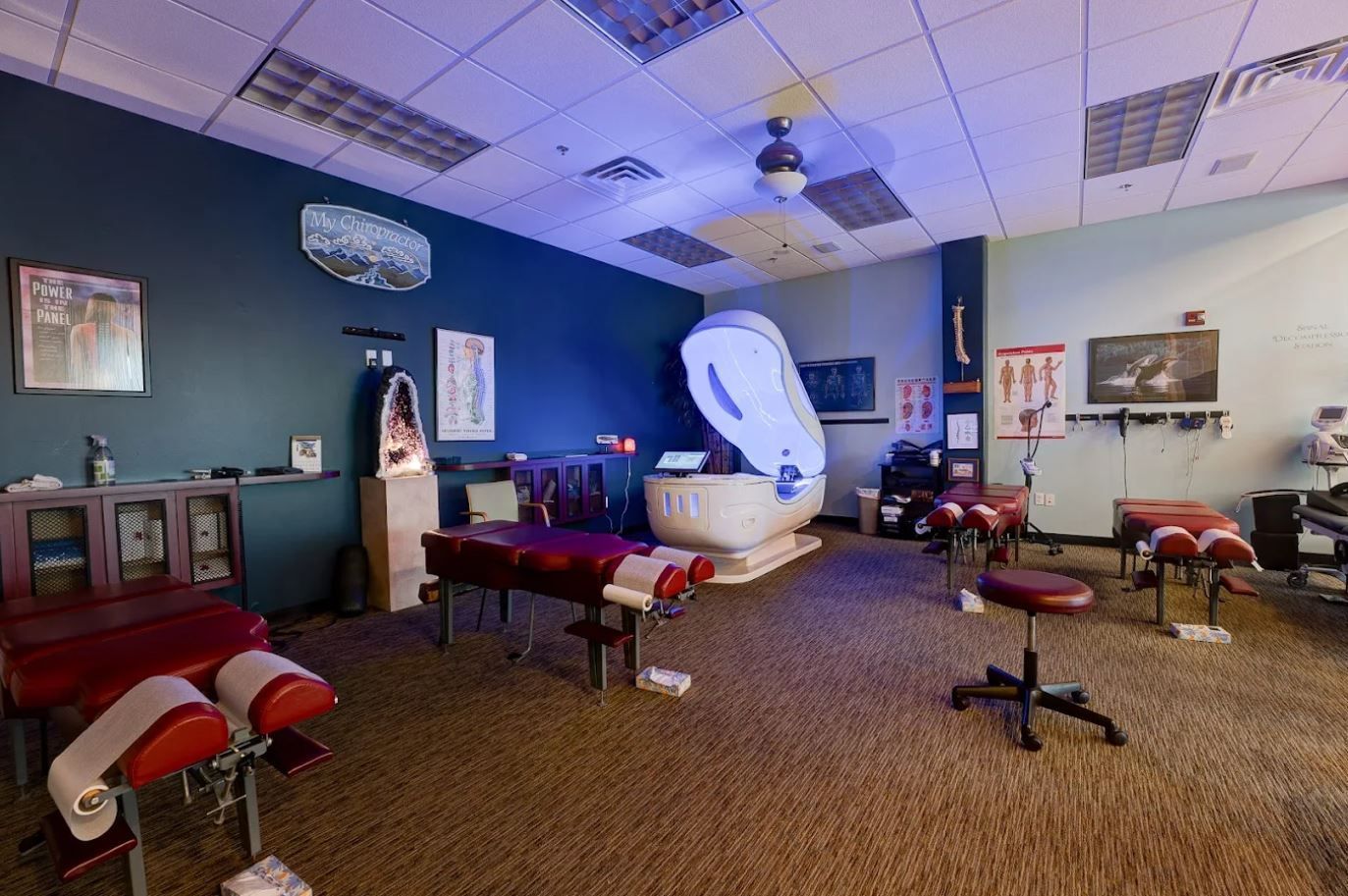
At My Chiropractor Health & Wellness Centers, Dr. Greg Muchnij offers Cranial Facial Release in Phoenix, Arizona.
If you're interested in learning more about this specialized technique, you can schedule a consultation to discuss your concerns, understand how the procedure works, and determine whether it may be appropriate for your individual situation.
Every patient is different. The goal is to understand your needs, review your available options, and make an informed decision about your care.
Ready to learn more about Cranial Facial Release?
Contact My Chiropractor Health & Wellness Centers today.
- Phone: (602) 866-3505
- Phoenix Location: 4550 E Bell Road, Building 8, Suite 284, Phoenix, AZ
- Anthem Location: 41818 North Venture Drive, Suite 110, Anthem, AZ
Visit MyChiropractorAZ.com to learn more about Cranial Facial Release and schedule your consultation.
Frequently Asked Questions (FAQs)
Can Cranial Facial Release straighten a deviated septum?
There is currently insufficient scientific evidence to show that CFR can straighten a deviated septum. Septoplasty is the established surgical procedure used to correct the position of the nasal septum.
Is Cranial Facial Release an alternative to septoplasty?
CFR should not be considered a replacement for septoplasty. While it is a non-surgical chiropractic technique, it has not been established as a treatment for correcting structural septal deviation. Discuss your options with an ENT specialist.
Can a deviated septum affect breathing?
Yes. A significantly deviated septum can narrow one or both nasal passages, making it more difficult to breathe through your nose. Some people also experience congestion, nosebleeds, and disrupted sleep.
Is Cranial Facial Release painful?
Experiences can vary. Some patients may experience pressure, discomfort, or temporary irritation during or after the procedure. Ask your practitioner about potential side effects before deciding whether to proceed.
Who should consider Cranial Facial Release?
People interested in learning about this specialized technique can discuss it with a properly trained practitioner. However, an individual assessment is necessary to determine whether the procedure is appropriate. Having a deviated septum does not automatically make someone a suitable candidate.
Where can I get Cranial Facial Release in Phoenix, AZ?
My Chiropractor Health & Wellness Centers offers Cranial Facial Release in Phoenix, Arizona. Call (602) 866-3505 to ask about the procedure and schedule a consultation.
Medical Disclaimer: This article is for educational purposes only and should not be considered medical advice, diagnosis, or treatment. Cranial Facial Release has limited clinical evidence, particularly for treating deviated septum. Always consult an appropriately qualified healthcare professional about persistent nasal obstruction and available treatment options.
Contact Us
Learning Center