Can Theta Chamber Therapy Help With PTSD? What Patients Should Know
Living with post-traumatic stress disorder (PTSD) can be exhausting. A traumatic experience may be over, but the emotional and physical effects can continue long afterward. Memories may resurface unexpectedly. Sleep can become difficult. Anxiety, fear, and constant alertness can make even ordinary daily activities feel overwhelming.
For people searching for ways to feel calmer and regain a sense of control, exploring different wellness approaches may seem like a worthwhile step.
One option that has attracted attention is Theta Chamber Therapy.
But can Theta Chamber Therapy actually help with PTSD? Can it help calm the mind, encourage relaxation, and support emotional well-being?
Let's explore what Theta Chamber Therapy involves, what potential benefits people are interested in, what the current research says, and what patients should consider before trying it.
Understanding PTSD: More Than Just Remembering a Traumatic Experience
Post-traumatic stress disorder is a mental health condition that can develop after someone experiences or witnesses a frightening, dangerous, or deeply distressing event.
These experiences may include military combat, physical or sexual assault, serious accidents, natural disasters, abuse, or other traumatic situations.
Although people respond to trauma differently, PTSD can affect how the brain and body respond to stress and perceived danger.
Some common symptoms include:
- Intrusive memories: Unwanted memories, nightmares, or flashbacks related to the traumatic experience.
- Hypervigilance: Feeling constantly alert, watching for possible danger even when there is no immediate threat.
- Anxiety and emotional distress: Experiencing fear, irritability, panic, or intense emotional reactions.
- Avoidance: Staying away from people, places, conversations, or situations that bring back traumatic memories.
- Sleep difficulties: Having trouble falling asleep, staying asleep, or experiencing recurring nightmares.
- Emotional numbness: Feeling disconnected from other people, losing interest in activities, or struggling to experience positive emotions.
These symptoms can interfere with relationships, work, sleep, and overall quality of life.
For some people, the struggle is not simply remembering what happened. It is feeling as though the body and mind are still responding to the danger, even when the traumatic event is long over.
That is why finding appropriate support and treatment is so important.
What Is Theta Chamber Therapy?
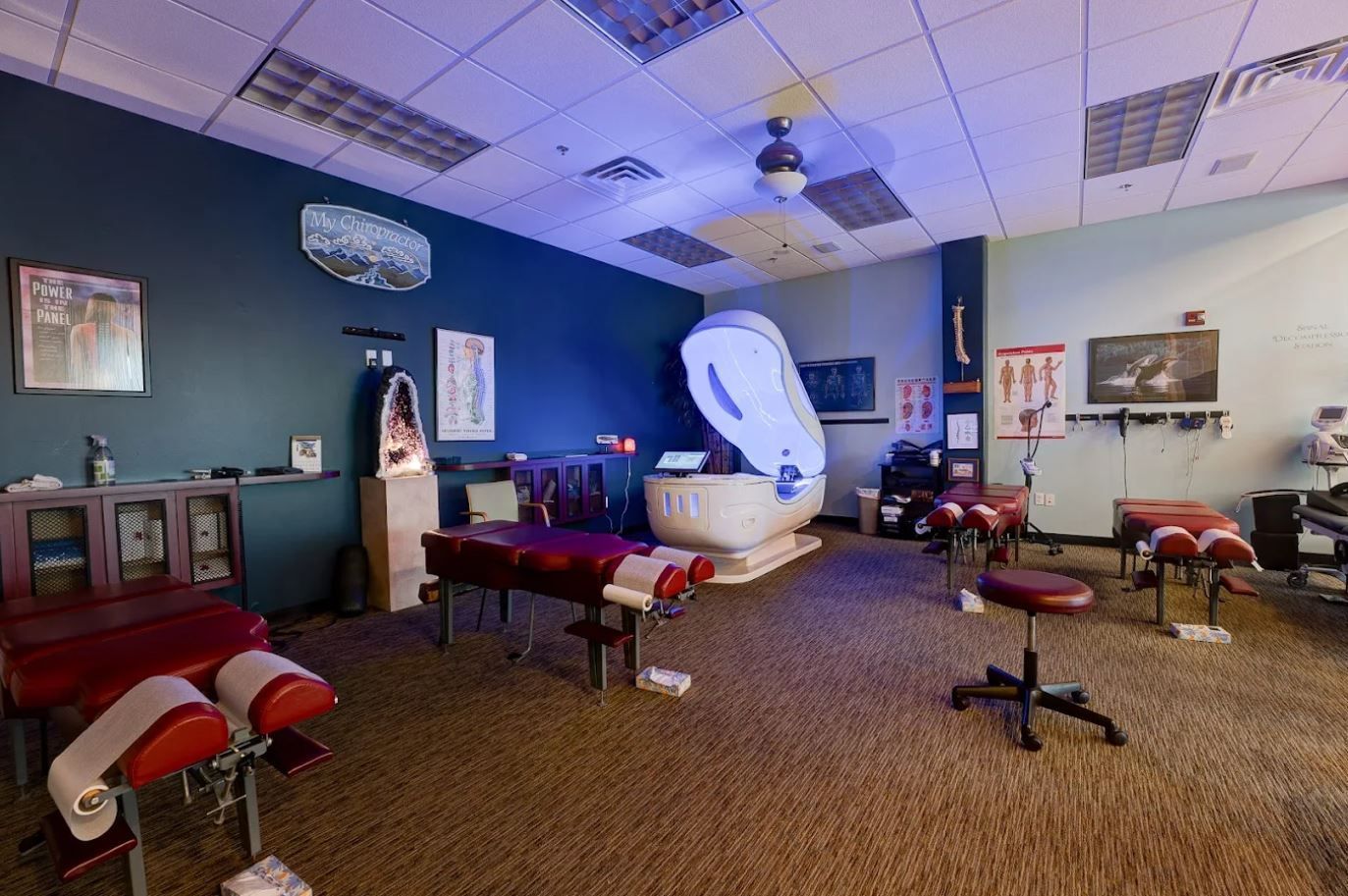
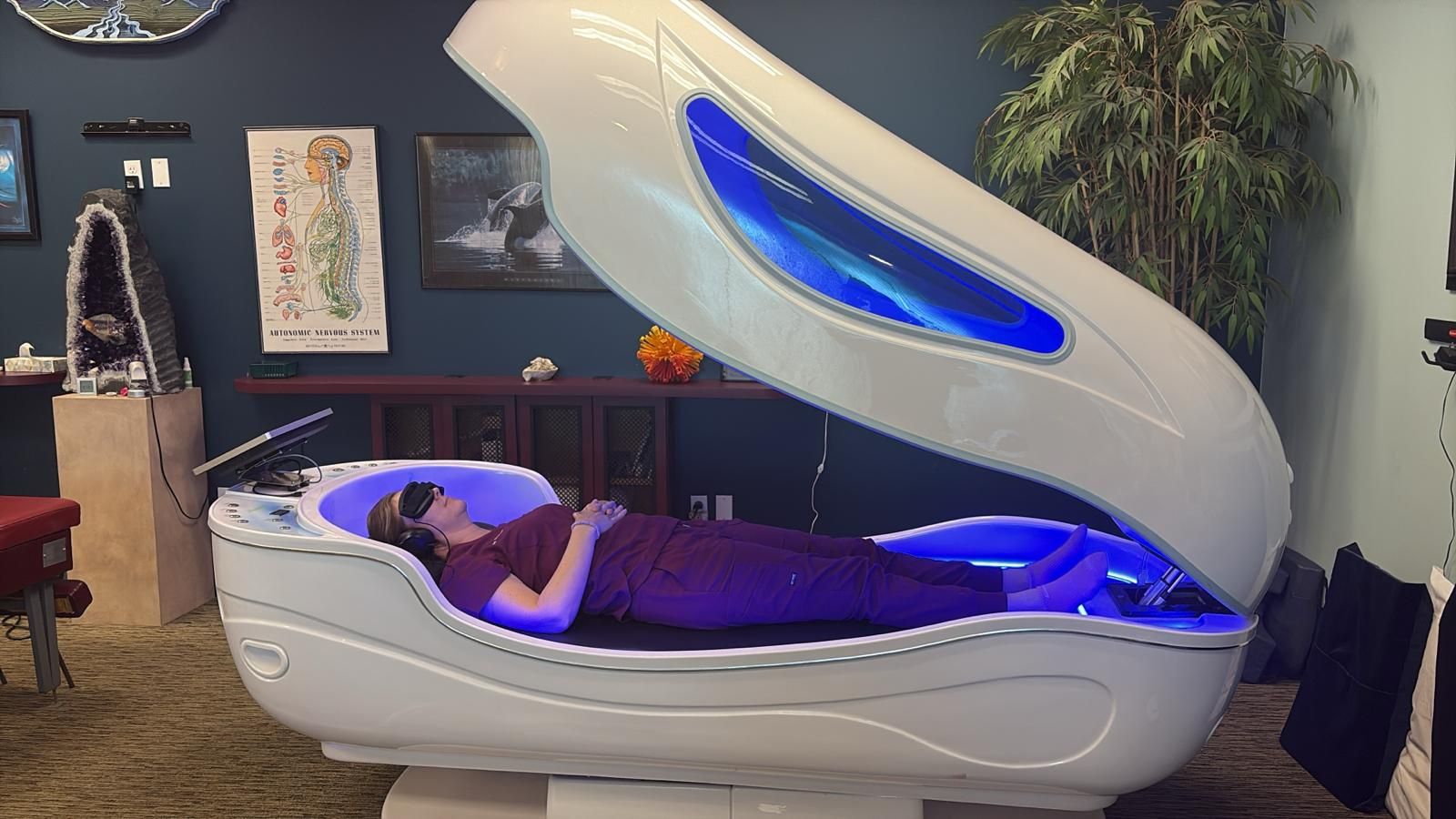
Theta Chamber Therapy is a wellness approach that uses a specialized chamber designed to provide a controlled, immersive sensory experience.
Depending on the specific system, the experience may incorporate elements such as sound, light, and other forms of sensory stimulation.
The name comes from theta brain waves, which are associated with certain brain activity patterns, including those observed during relaxation, drowsiness, and some stages of sleep.
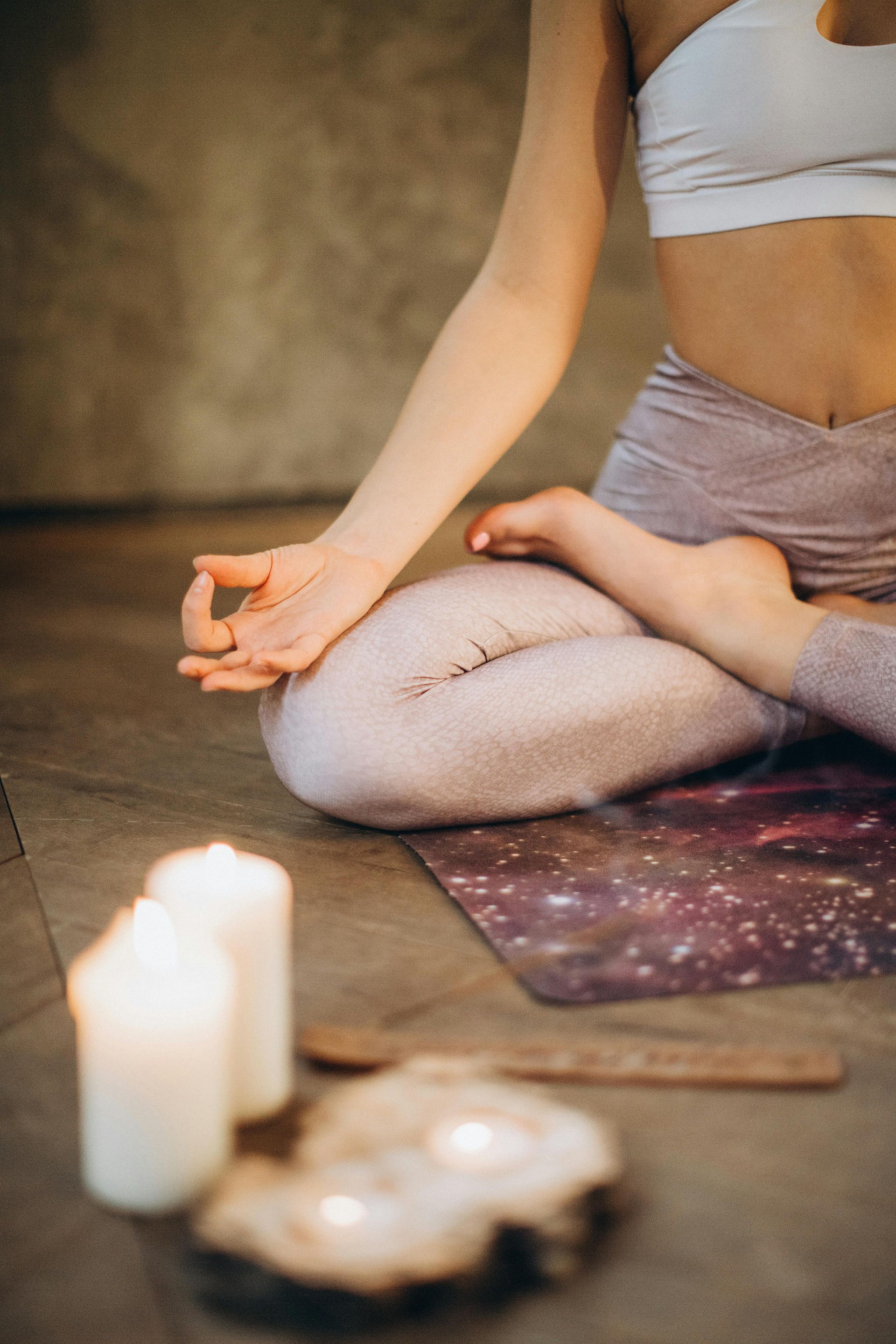
The goal of a Theta Chamber session is to provide an environment where a person can step away from everyday distractions and experience a period of guided relaxation.
Unlike traditional talk therapy, which involves working with a trained mental health professional to understand and process traumatic experiences, Theta Chamber sessions focus on the sensory experience provided by the equipment.
It is important to understand that a wellness chamber is not the same as a clinically established PTSD treatment. Its proposed effects should not be confused with proven changes in brain function or the treatment of trauma-related symptoms.
Can Theta Chamber Therapy Help With PTSD?
This is perhaps the most important question for anyone considering this type of wellness service.
The honest answer is that there is currently insufficient clinical evidence to establish Theta Chamber Therapy as an effective treatment for PTSD.
While some people may find the experience relaxing, that does not automatically mean it treats the underlying condition or reduces the symptoms associated with PTSD.
However, there are several reasons why people experiencing trauma-related stress may be interested in exploring relaxation-focused wellness experiences.
1. It May Provide an Opportunity for Relaxation
People living with PTSD sometimes experience persistent tension, anxiety, and heightened alertness.
Their minds may constantly anticipate danger, making it difficult to relax even in familiar surroundings.
A controlled sensory environment may provide an opportunity to step away from everyday demands and focus on a quiet, structured experience.
For individuals who enjoy this type of environment, a session may feel calming or relaxing.
However, relaxation is not the same as PTSD treatment. A relaxing experience does not necessarily address intrusive memories, avoidance, or other core symptoms of the condition.
2. It May Offer a Break From Everyday Stressors
Living with PTSD can make ordinary activities feel overwhelming.
Work responsibilities, social interactions, noise, crowded environments, and unexpected situations may contribute to emotional stress.
Some individuals may appreciate having time dedicated to relaxation and personal well-being.
A Theta Chamber session offers a structured opportunity to pause and experience a different environment.
That said, individual responses vary. Sensory stimulation that feels comfortable to one person may feel overwhelming or uncomfortable to another, particularly someone who is sensitive to sound, light, or enclosed spaces.
3. It May Encourage Greater Awareness of Personal Well-Being
Taking care of yourself is an important part of living with a mental health condition.
People experiencing PTSD may find it difficult to prioritize rest, relaxation, and activities that support their general well-being.
Exploring different wellness experiences may encourage individuals to become more intentional about making time for themselves.
Theta Chamber Therapy may be one experience someone chooses to explore as part of a broader wellness routine, provided it is appropriate for their individual circumstances.
However, it should not be viewed as a substitute for professional mental health care.
What Does Science Say About Theta Chamber Therapy and PTSD?
When exploring any wellness treatment, it is important to separate marketing claims from established scientific evidence.
Research has examined several approaches to managing PTSD, including psychotherapy, medication, and certain complementary practices.
However, evidence supporting these treatments cannot automatically be applied to Theta Chamber Therapy.
According to the 2023 Clinical Practice Guideline jointly developed by the U.S. Department of Veterans Affairs and the Department of Defense, three particularly well-supported psychotherapies for PTSD are:
- Cognitive Processing Therapy (CPT): Helps individuals examine and work through unhelpful beliefs related to traumatic experiences.
- Prolonged Exposure (PE): Helps patients gradually approach trauma-related memories, feelings, and situations under professional guidance.
- Eye Movement Desensitization and Reprocessing (EMDR): Uses structured therapeutic procedures to help patients process distressing memories.
These approaches have been studied in clinical trials and are recommended based on their demonstrated effectiveness in treating PTSD.
The guideline does not establish Theta Chamber Therapy as an effective PTSD treatment.
You can learn more about the recommendations through the VA National Center for PTSD.
This distinction matters.
A wellness experience may help someone feel relaxed temporarily, but treating PTSD requires addressing the condition itself through appropriate, evidence-based care.
Is Theta Chamber Therapy a Replacement for PTSD Treatment?
No. Theta Chamber Therapy should not replace professional PTSD treatment.
If you have been diagnosed with PTSD, it is important to work with a qualified mental health professional who can recommend an appropriate treatment plan.
Depending on your circumstances, this may include psychotherapy, medication, or a combination of approaches.
If you are interested in exploring Theta Chamber Therapy, discuss it with your healthcare provider first. This is particularly important if you experience severe anxiety, panic attacks, sensory sensitivities, or discomfort in enclosed environments.
A responsible wellness provider should also explain what the session involves, what to expect, and what the equipment can and cannot realistically do.
Remember, you do not have to choose between taking care of your overall well-being and receiving professional mental health treatment. The two can be approached together when appropriate.
What Should You Consider Before Trying Theta Chamber Therapy?
If you are curious about experiencing a Theta Chamber session, taking time to understand the process can help you make an informed decision.
Here are a few things to consider.
1. Understand what the session involves.
Ask the provider to explain how the chamber works, what sensory elements are involved, how long a session lasts, and whether you can stop the session whenever you feel uncomfortable.
2. Discuss your health concerns.
Let the provider know about any relevant medical or mental health conditions, medications, and sensory sensitivities. Ask whether the experience is appropriate for you.
3. Have realistic expectations.
Do not expect a single session to eliminate traumatic memories, resolve PTSD symptoms, or replace professional treatment.
4. Continue working with your healthcare provider.
If you are receiving treatment for PTSD, continue following your treatment plan. Talk to your mental health professional before adding new wellness experiences.
5. Choose a provider who prioritizes transparency.
Look for a wellness clinic that explains its services honestly, avoids exaggerated medical promises, and respects your comfort and individual needs.
Experience Theta Chamber Therapy at My Chiropractor Health & Wellness Center
If you are curious about Theta Chamber Therapy and want to understand what a session involves, visiting a wellness clinic can give you an opportunity to learn more about the experience.
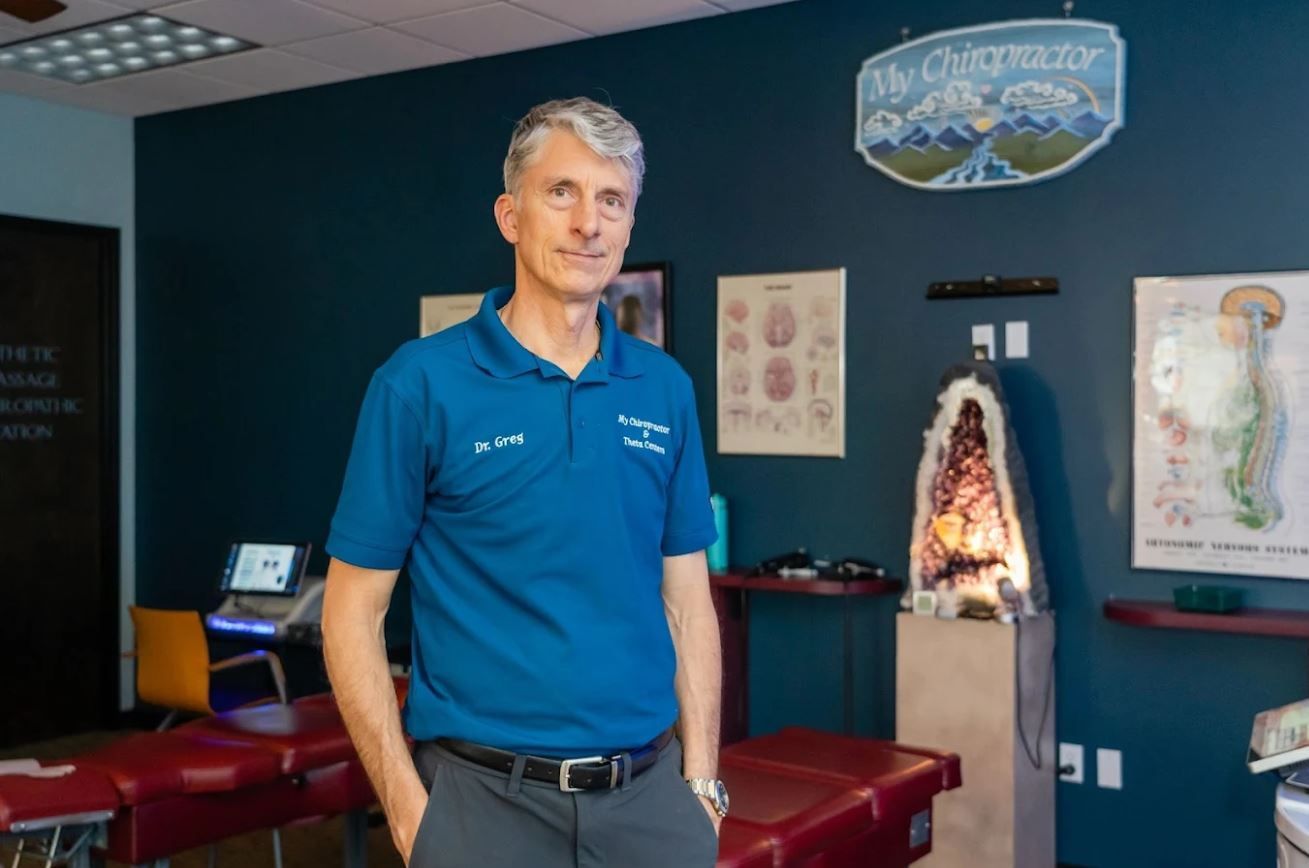
At My Chiropractor Health & Wellness Center, Dr. Greg Muchnij offers Theta Chamber Therapy at the clinic for individuals interested in exploring this unique wellness experience.
Whether you are looking for a dedicated relaxation experience or simply want to learn more about the technology, the first step is understanding what the session involves and whether it is appropriate for your needs.
The clinic serves patients in Phoenix and Anthem, Arizona.
If you have PTSD, remember that Theta Chamber Therapy is not an established treatment for the condition. Continue working with your mental health professional and discuss any complementary wellness experiences before incorporating them into your routine.
Interested in learning more about Theta Chamber Therapy?
Contact My Chiropractor Health & Wellness Center to ask questions about the chamber, understand what to expect during a session, and explore whether this wellness experience may be appropriate for you.
Your well-being matters, and making informed decisions is an important part of taking care of yourself.
Frequently Asked Questions (FAQ)
Can Theta Chamber Therapy cure PTSD?
No. There is currently insufficient clinical evidence to establish Theta Chamber Therapy as a treatment or cure for PTSD. Individuals experiencing PTSD should seek professional mental health care and consider evidence-based treatment options.
Does Theta Chamber Therapy help with anxiety?
Some people may find the sensory experience relaxing. However, this does not establish that Theta Chamber Therapy treats anxiety disorders. Anyone experiencing persistent or severe anxiety should consult a qualified healthcare professional.
What are theta brain waves?
Theta brain waves are electrical activity patterns in the brain that occur at approximately 4–8 Hz. They are commonly associated with drowsiness, certain stages of sleep, and some relaxation-related mental states. Their presence alone does not indicate that someone is healing from trauma.
How many Theta Chamber sessions are needed?
There is no scientifically established number of Theta Chamber sessions for treating PTSD. Session frequency and duration depend on the specific wellness experience, the equipment, and the provider's recommendations. Be cautious of anyone promising a guaranteed outcome.
Can veterans with PTSD try Theta Chamber Therapy?
Veterans interested in exploring Theta Chamber Therapy should first discuss the experience with their healthcare providers. The provider should explain the sensory environment and allow the individual to make an informed decision based on their comfort and health needs.
Where can I experience Theta Chamber Therapy in Phoenix, AZ?
My Chiropractor Health & Wellness Center offers Theta Chamber Therapy in the Phoenix and Anthem, Arizona area. Contact the clinic to learn more about the equipment, session details, and appointment availability.
Important Medical Disclaimer: This article is for educational purposes only and does not constitute medical or mental health advice. Theta Chamber Therapy has not been established as an effective treatment for PTSD. It should not replace professional diagnosis, psychotherapy, medication, or other recommended mental health care. Always consult a qualified healthcare professional regarding your individual needs.
👉 Book a Theta Chamber session with us today and discover how this revolutionary therapy can work for you.
Call our Phoenix clinic at (602) 866-3505 or schedule your appointment online to get started.
Contact Us
Learning Center